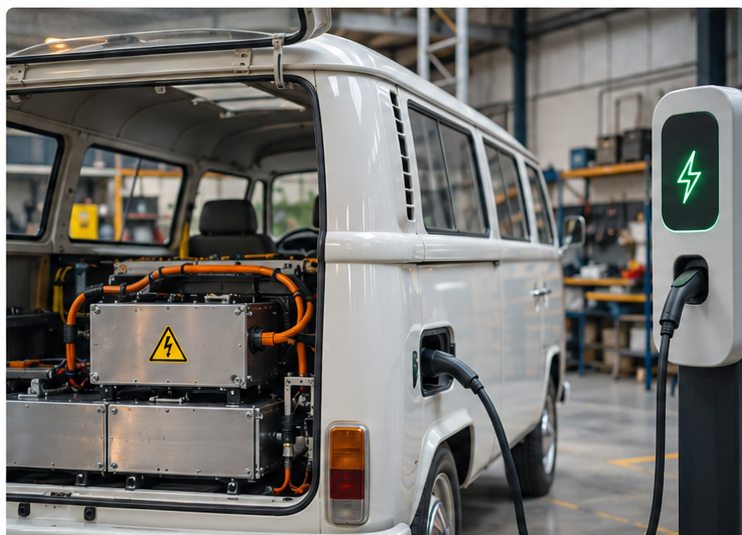
Vehicle Suitability
Evaluate the base vehicle, intended use and whether a conversion is technically practical.
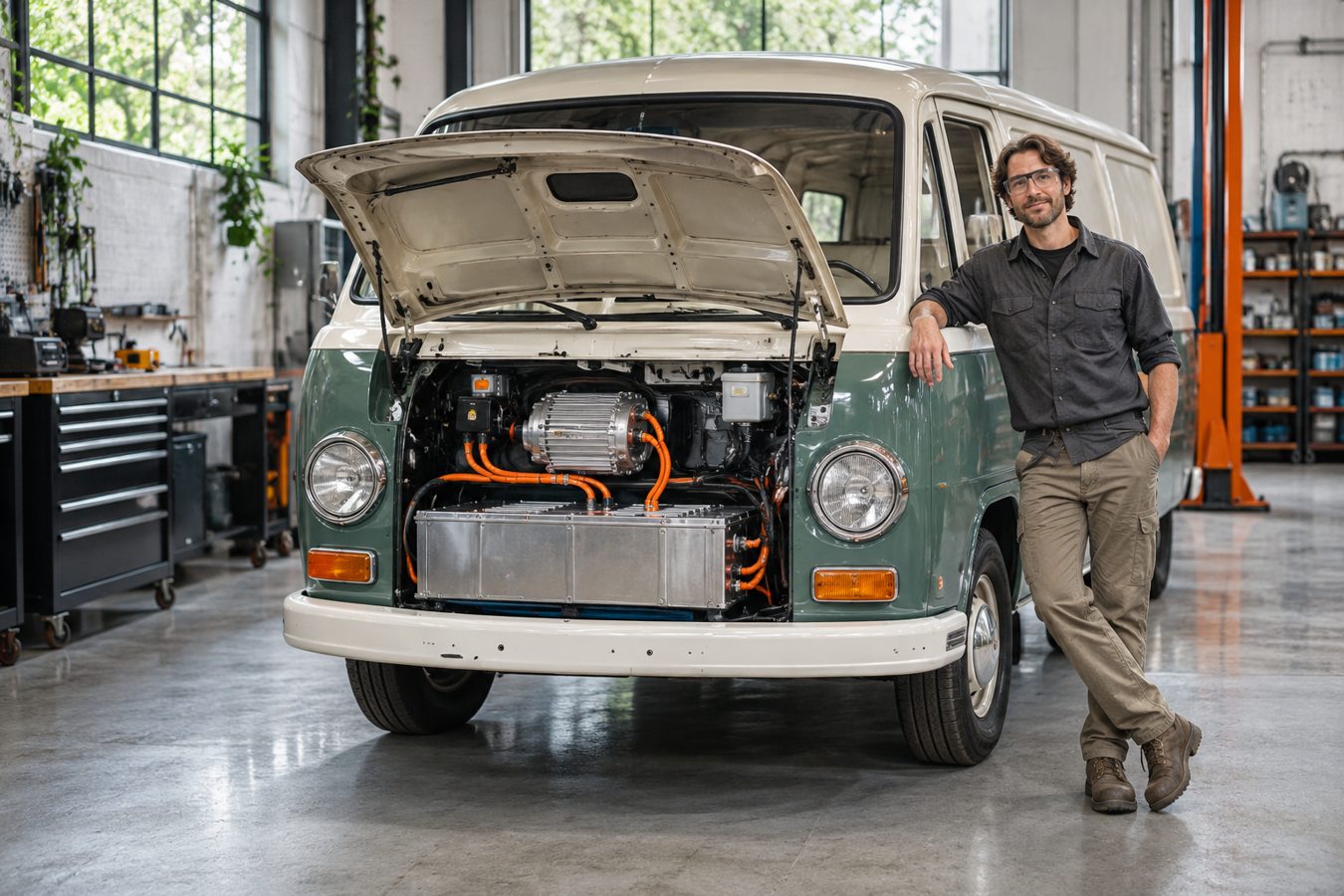
Interested in converting a vehicle to electric power? Start with a clear conversation about your vehicle, your goals and the technical requirements of a potential project.
A vehicle conversion is a highly individual engineering project. Vehicle condition, weight, packaging, electrical architecture and intended use all influence feasibility.
Whether you're exploring a specialty vehicle or a unique custom concept, share the details and we'll discuss whether the project fits the available capabilities and next steps.
Start a Conversation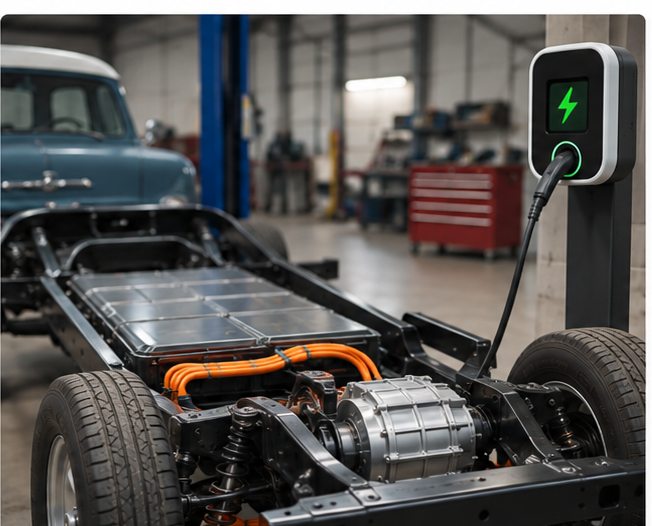
Evaluate the base vehicle, intended use and whether a conversion is technically practical.
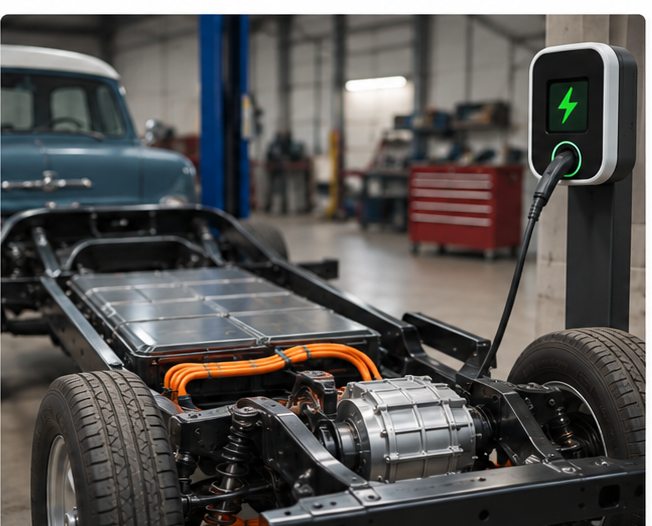
Discuss anticipated driving patterns, charging access and realistic performance objectives.
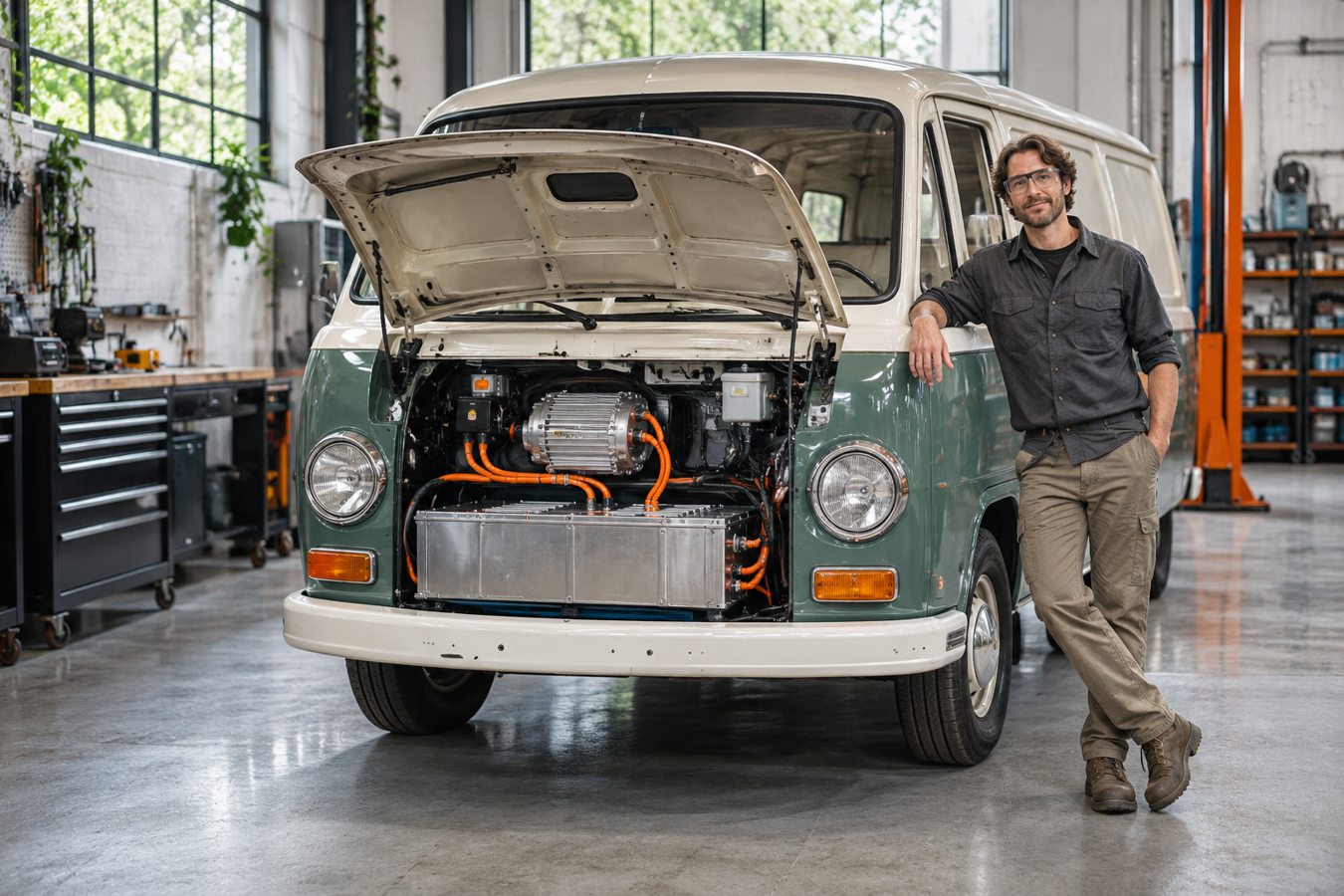
Identify applicable engineering, electrical safety, registration and inspection requirements.
Provide its make, model, year, condition and intended use.
Discuss range, driving conditions, charging and budget expectations.
Technical specialists would need to assess safety, fitment and compliance.
Review whether a suitable scope, timeline and proposal can be developed.
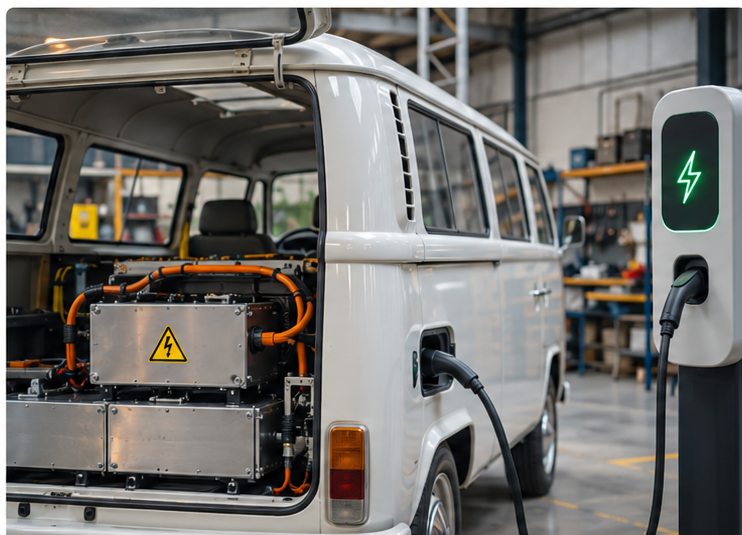
The right approach depends on the vehicle and its use. Commercial, recreational and specialty vehicles may have very different requirements.
Bring your ideas, inspiration photos and practical constraints. A detailed evaluation is needed before anyone can promise performance, pricing or delivery.
EV images on this page are illustrative stock photography, not documented Malu Tiny Homes completed conversions. EV conversion services and capabilities must be confirmed by the client before publishing.
A few details make the first conversation more productive: vehicle year/make/model, approximate weight, photos, desired driving range, intended use, budget range and preferred timeline.
Helpful starting points before discussing your project with the Malu team.
Suitability depends on the vehicle's structure, weight, available space, intended use, and applicable regulations. Provide the year, make, model, and photos for an initial discussion.
Costs depend on the vehicle, battery capacity, drivetrain, fabrication, integration, and testing. A project-specific assessment is needed before any estimate can be confirmed.
Range depends on battery capacity, vehicle weight, aerodynamics, driving conditions, and system efficiency. No specific range can be promised without an engineered design and testing.
Timelines vary with vehicle condition, engineering complexity, component availability, approvals, and testing. A realistic schedule can only be discussed after reviewing the project.
Registration, inspection, insurance, and safety requirements vary by jurisdiction. Regulatory feasibility must be confirmed before committing to a conversion.
Please provide vehicle year/make/model, approximate weight, photos, intended driving range, how you plan to use it, your budget range, and desired timeline.
Tell us about the vehicle you have in mind. We'll help direct your inquiry toward an initial feasibility conversation.
Request a Consultation

© 2026 Malutinyhomes. All rights reserved
Disclaimer: Malu Tiny Homes builds registered trailers as a handyman.